
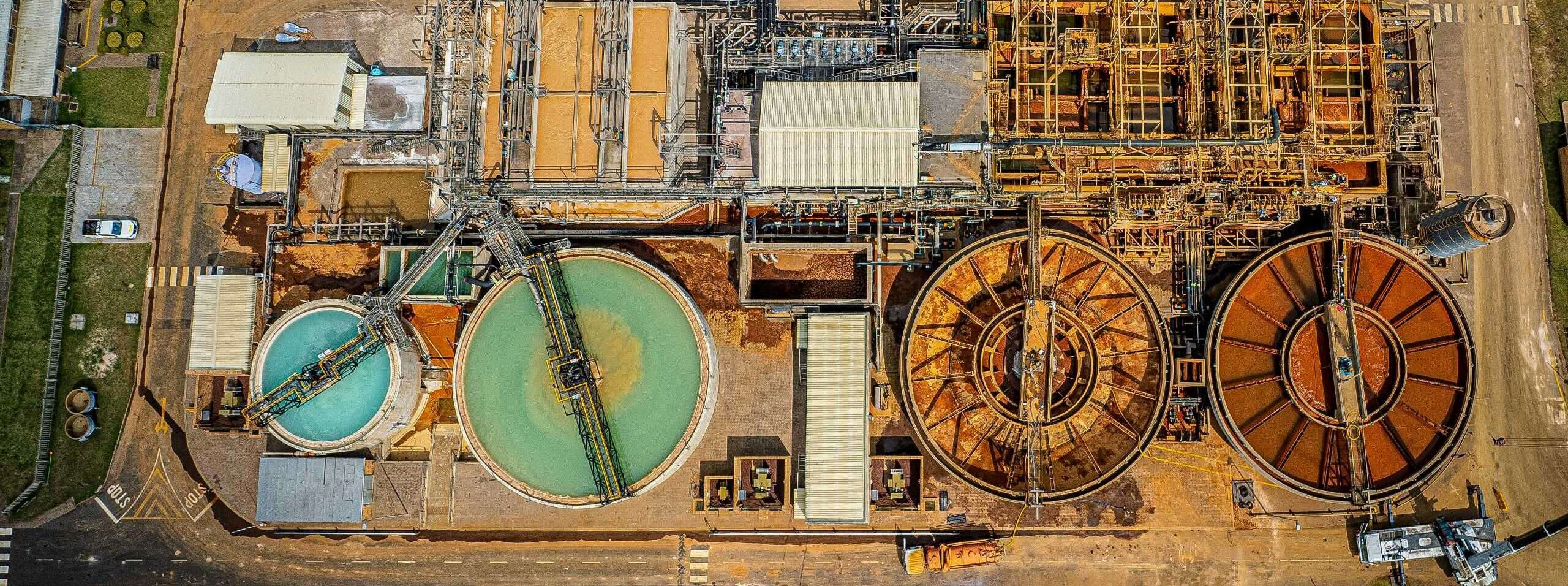
Thungela reused and recycled 95% of the water used across its operations in 2025, exceeding its water-efficiency target of 75% and reinforcing the company’s commitment to responsible mining practices and water stewardship in Mpumalanga.
Water is one of Mpumalanga’s most important shared resources, supporting households, agriculture, industry and local ecosystems. While the province is home to some of South Africa’s key water catchments, growing demand, climate variability, and competing water needs continue to place increasing pressure on available resources, making responsible water stewardship a priority for all water users.
Leslie Martin, executive head of technical and projects at Thungela, said: “For us, Water stewardship is not about managing a resource within our operations. It is about recognising our role in protecting a basic right and shared resource that communities, ecosystems, and future generations depend on. Through water reuse, rehabilitation and phytoremediation, we are working to reduce pressure on water resources and create environmental outcomes that endure beyond the life of our mine.”
Water management remains a key focus area for the mining sector, particularly in regions where communities, agriculture and industry depend on the same catchments and water systems. Improving water reuse and reducing freshwater abstraction are increasingly important measures in supporting long-term water security while maintaining operational resilience.
In the five years of operation in Mpumalanga, Thungela has prioritised reducing freshwater abstraction through water reuse and recycling, while investing in water management infrastructure. The company’s 95% water reuse and recycling rate means that only a small proportion of the water required for operations needs to be replaced through freshwater abstraction, helping to reduce pressure on shared water resources.
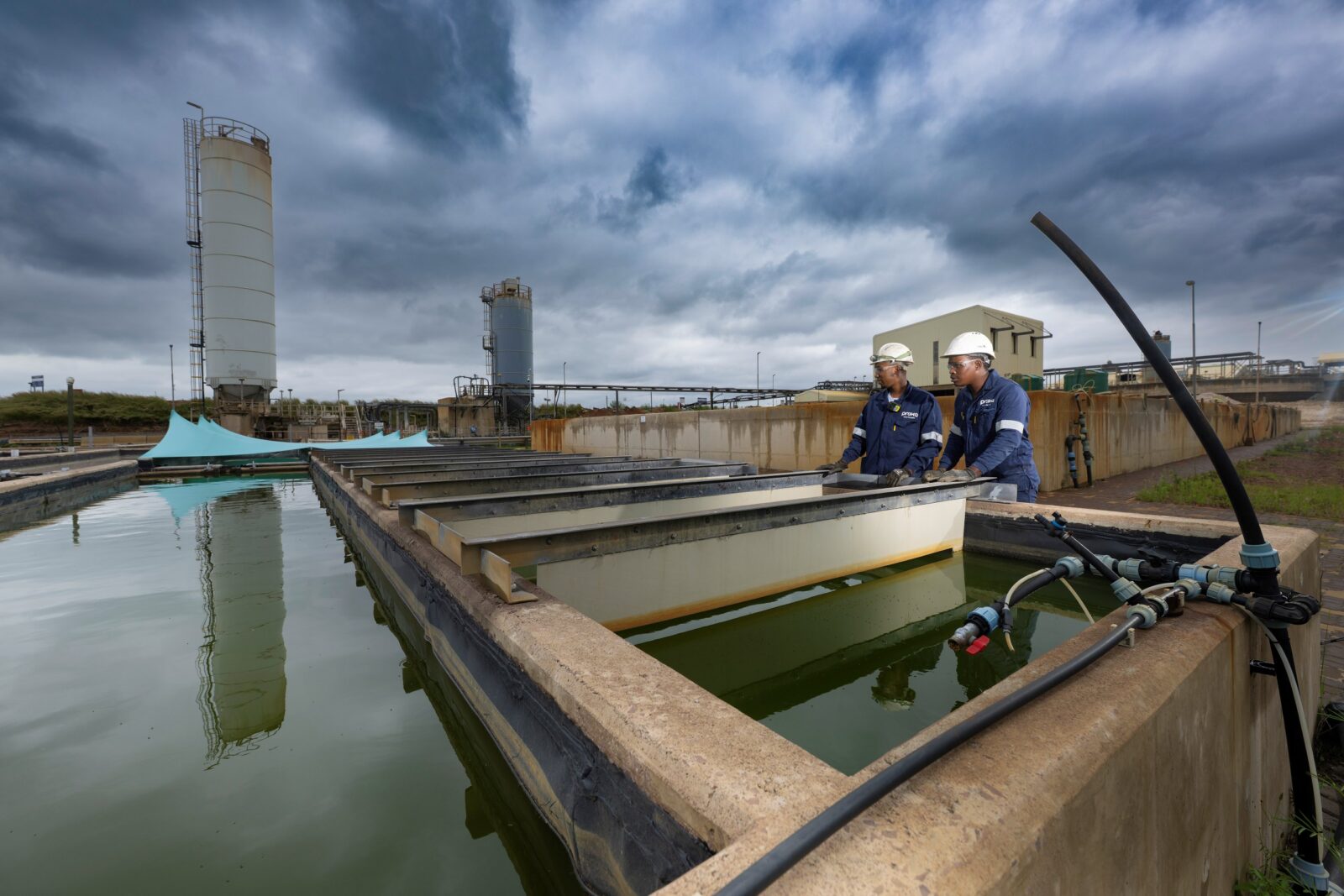
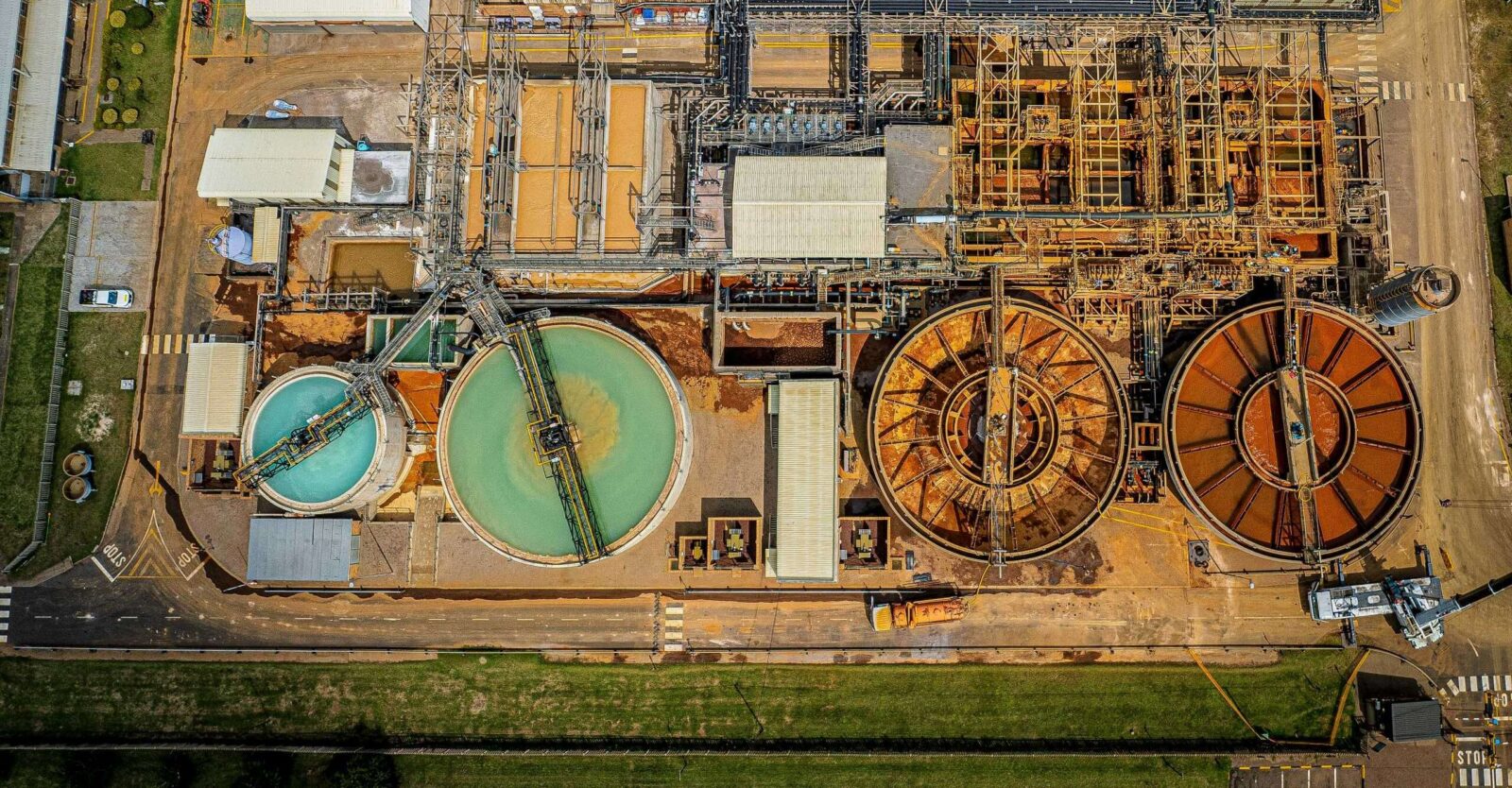
Beyond Thungela’s water reuse and recycling efforts, the company is also implementing several water stewardship projects to improve its water management during the operational and post-closure phases of mining. One of the projects is the phytoremediation programme, developed in partnership with researchers from University of the Witwatersrand. The programme uses indigenous tree species to support land rehabilitation, improve water management outcomes and restore biodiversity across previously disturbed areas.
Approximately 320,000 indigenous trees have been planted across rehabilitated areas, including Kromdraai and Goedehoop, supporting water management and land rehabilitation. The programme also contributes to local employment opportunities while advancing the long-term rehabilitation of mining-affected land.
Additionally, at Mafube Coal, Thungela’s joint venture with Exxaro, rehabilitation efforts have included reconstructing two previously mined pans by re-establishing indigenous vegetation and driving ongoing ecological restoration. Pans play a critical role in supporting biodiversity, providing habitat for a wide range of plants, birds, fish, amphibians, and microorganisms, while also serving as important stopover sites for many migratory bird species. Wildlife has already begun returning to sections of the rehabilitated landscape, providing encouraging evidence of ecosystem recovery.
“We remain focused on building resilient operations that create lasting value for both people and the environment while contributing to the sustainable management of shared water resources,’ said Martin.