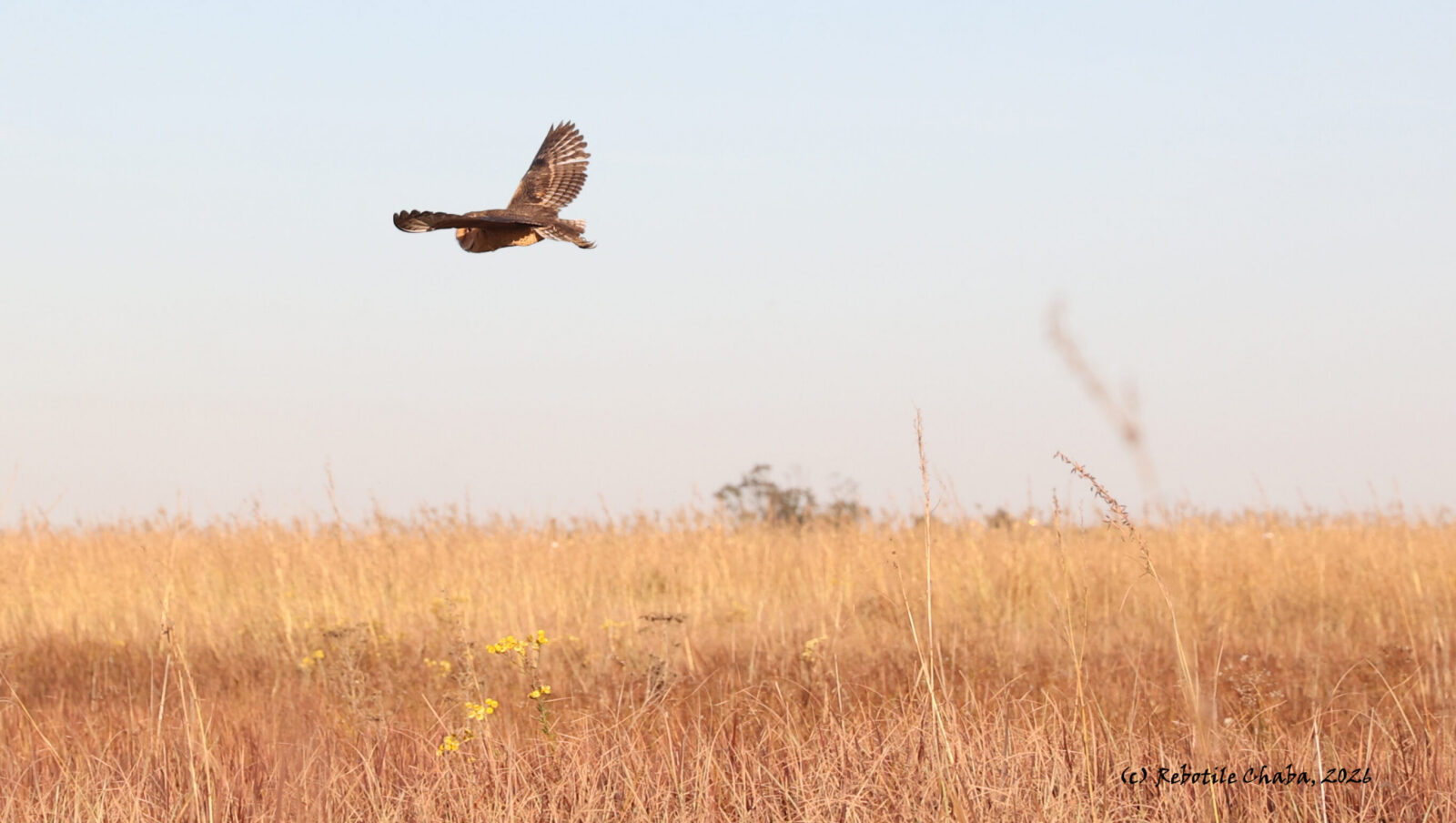
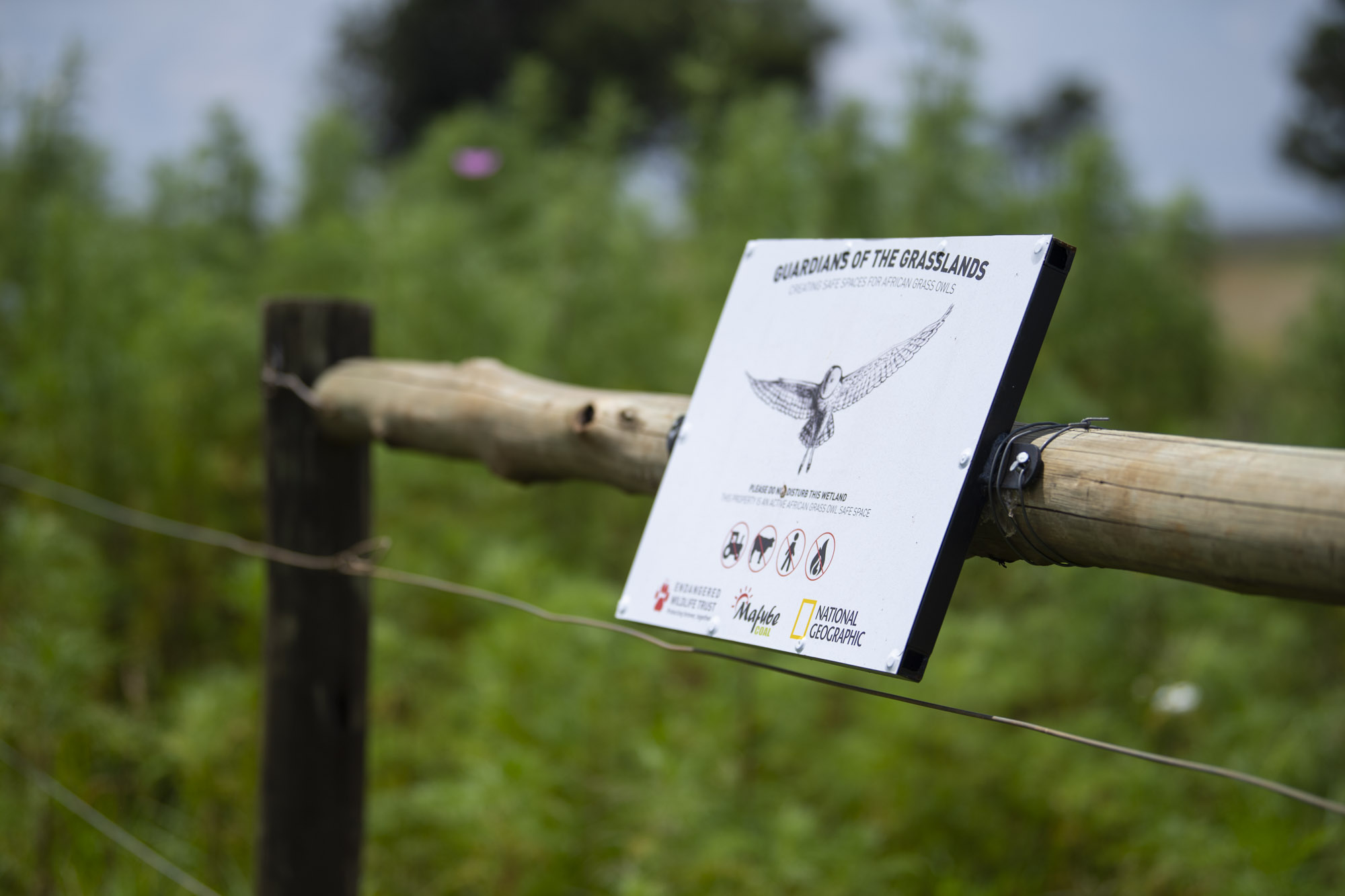
Mafube Coal, Thungela’s joint venture with Exxaro, has established a 70-hectare grassland and wetland sanctuary dedicated to conservation and habitat rehabilitation, which already supports five breeding pairs of Marsh Owl and the first recorded African Grass Owl.
Established as part of a long-term conservation programme, the sanctuary aims to restore habitat for ground-nesting species under threat and improve the condition of the surrounding landscape. For almost a decade, the programme has extended beyond the sanctuary, with ecological monitoring covering more than 11,500 hectares within Mafube’s mining right and surrounding farms.
Routine ecological monitoring recorded the bird in Mayin an area that had undergone 24 months of habitat restoration. Because the bird is believed to be a juvenile, the sighting raises the possibility of nearby breeding activity.
Mpumi Sithole, executive head of corporate affairs at Thungela, said: “Our approach to rehabilitation and conservation is anchored in responsible environmental stewardship and a long-term commitment to restoring biodiversity. Seeing species such as the African Grass Owl using these rehabilitated habitats shows what sustained conservation work can achieve.
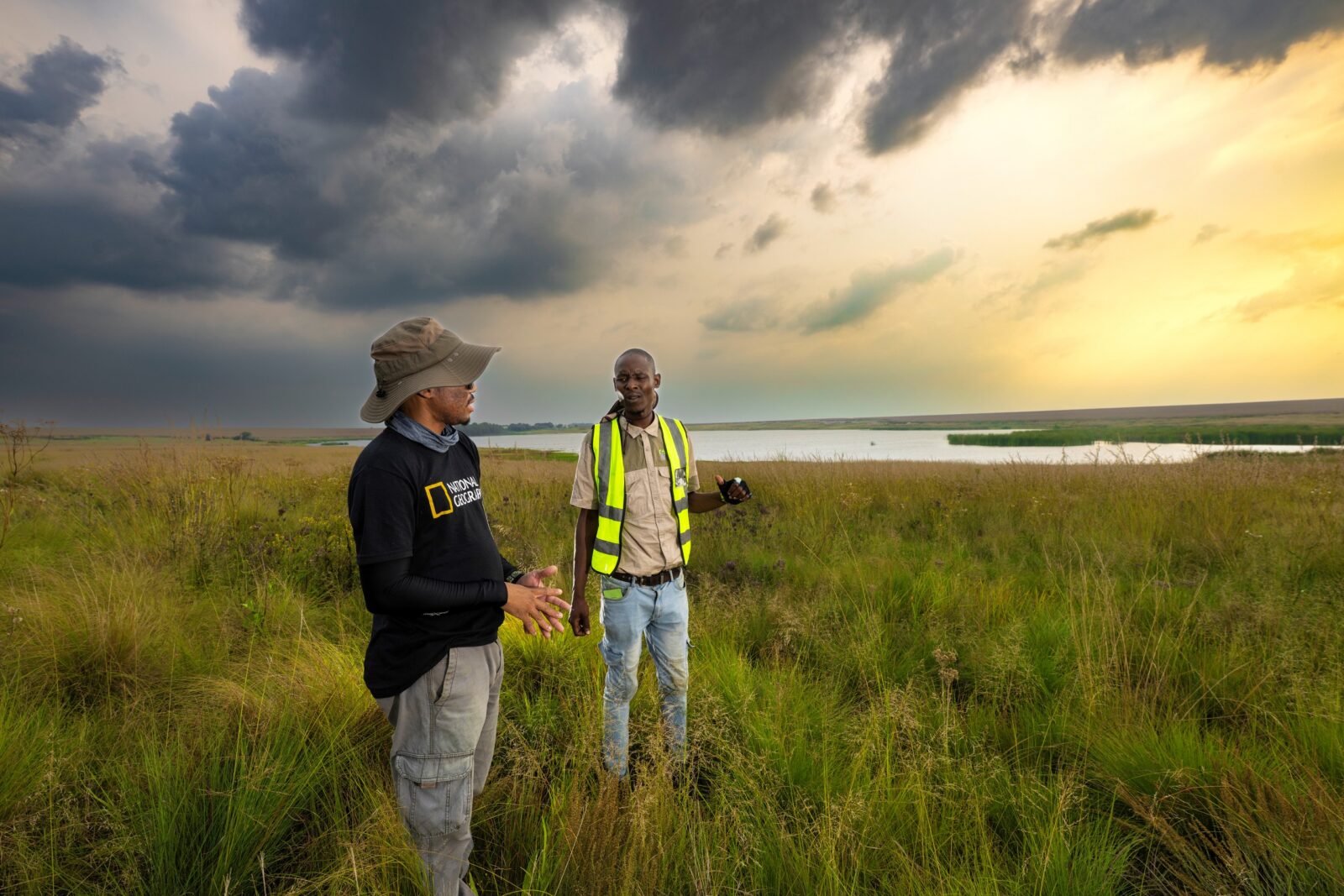
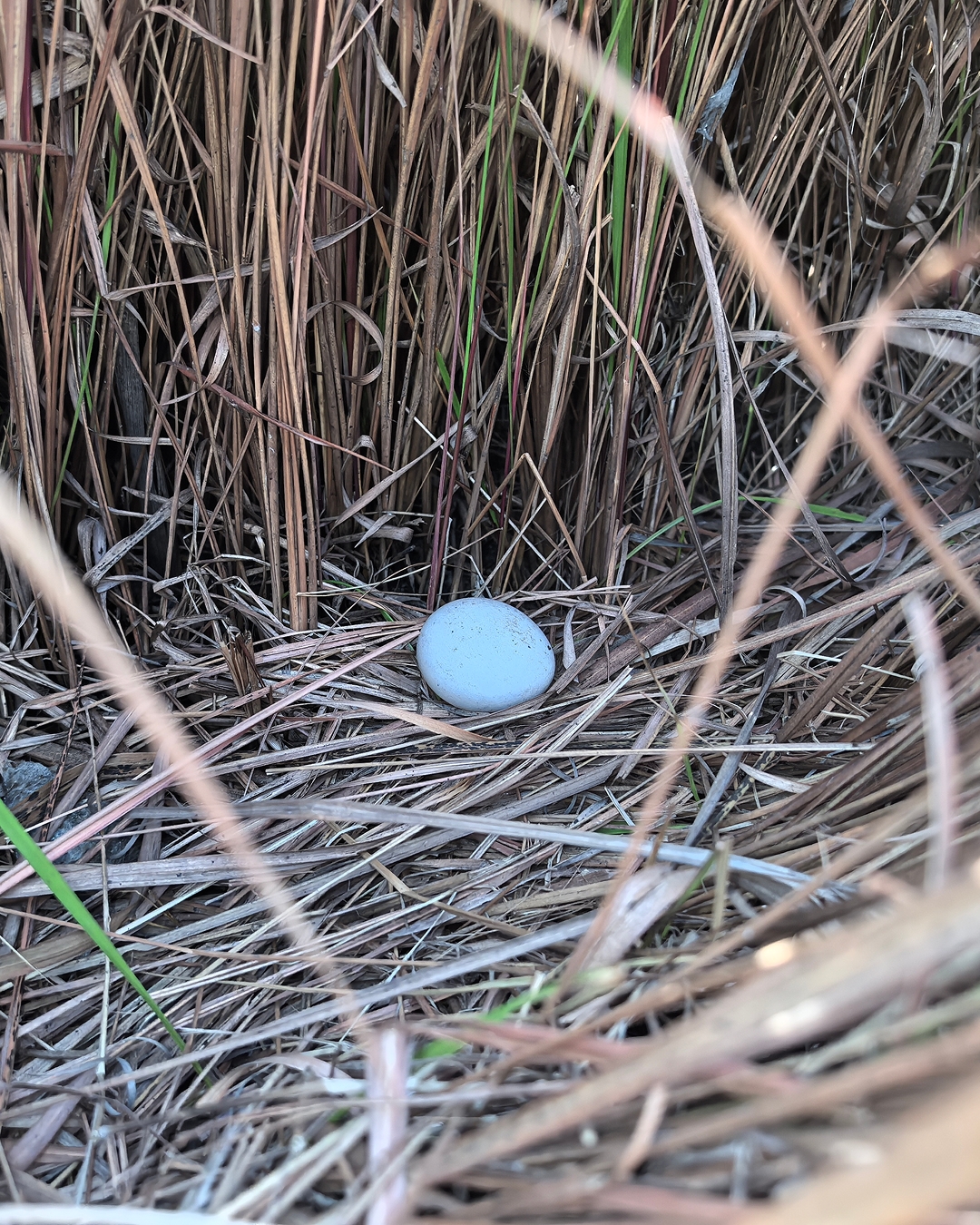
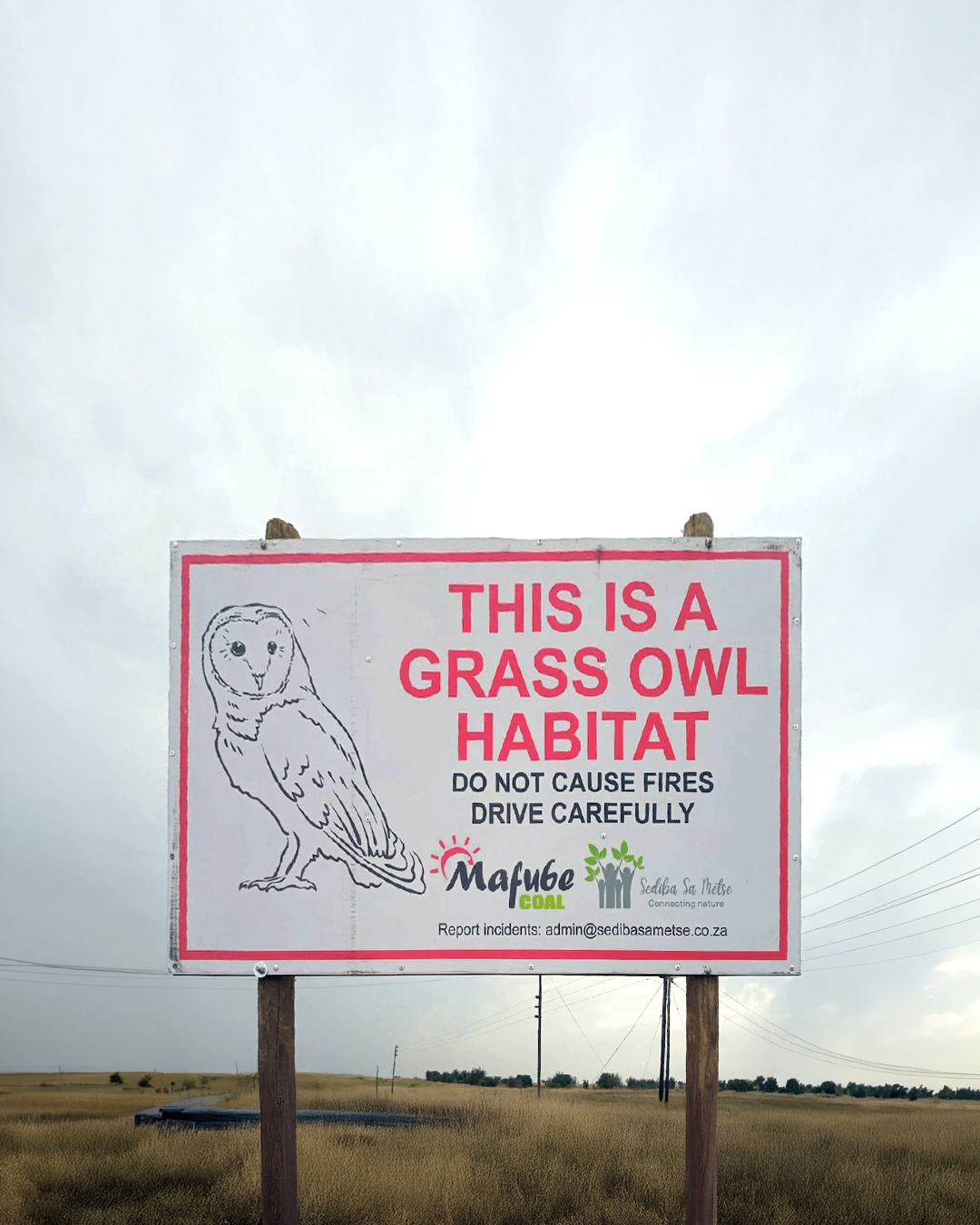
Conservation work at the reserve includes restoring grassland, planting grass species favoured by African Grass Owls, removing invasive plants, establishing firebreaks, and managing livestock disturbance. Conservation partners and neighbouring landowners support the programme, alongside learner and community awareness initiatives.
Rebotile Chaba, an ecologist at Springboklaagte Farm, said: “The return of the African Grass Owl is a significant conservation milestone. Fewer than 5,000 African Grass Owls are believed to remain in Southern Africa, with habitat loss and disturbance placing increasing pressure on the species. Its presence at Mafube is an encouraging indication of the value of protecting and restoring suitable grassland habitat.”
Earlier ecological assessments found no African Grass Owls in the area. Ongoing monitoring will establish whether the latest sighting is linked to an established breeding pair and continue tracking the broader ecological recovery across the site.
“Our environmental responsibility extends beyond the life of a mine. Our focus remains on managing land over the long term, partnering with neighbouring communities, and ensuring we leave the land in a better condition than we found it,” said Sithole.
For the media:
Download photograph pack (8MB)